Early Signs of Roof Damage: Protect Your Florida Home
Table of Contents
Recognize Early Signs of Roof Damage Before It's Too Late
Understanding Roof Degradation Indicators on Your Roof's Surface
Detecting Roof Aging Through Interior Warning Signs
Roof Surface Issues Visible from Your Attic
Taking Immediate Action When You Detect Problems
Connect with Experienced Roofing Professionals Today
Recognize Early Signs of Roof Damage Before It's Too Late
Your roof serves as your home's first line of defense against Florida's harsh weather conditions, from intense sun exposure to seasonal storms. Identifying early signs of roof damage can save homeowners in Gilchrist County, Bradford County, Gainesville, Putnam County, and Alachua County thousands of dollars in extensive repairs or premature replacement. Understanding what to look for, both on your roof's exterior and inside your home, empowers you to proactively call professional roofers like Atlantic Roofing before minor issues escalate into significant structural problems.
Most homeowners don't realize that roof damage often begins silently, with subtle indicators that go unnoticed until water stains appear on ceilings or energy bills skyrocket unexpectedly. The key to protecting your investment lies in regular inspection and early detection of potential problems. Whether you have shingle roofing, metal roofing, tile roofing, or flat roofing systems, each material exhibits specific warning signs that signal deterioration.
Understanding Roof Degradation Indicators on Your Roof's Surface
When examining your roof from ground level or during a professional inspection, several visible indicators can signal early signs of roof damage, suggesting it's time to repair or replace your roof.
Shingle Issues
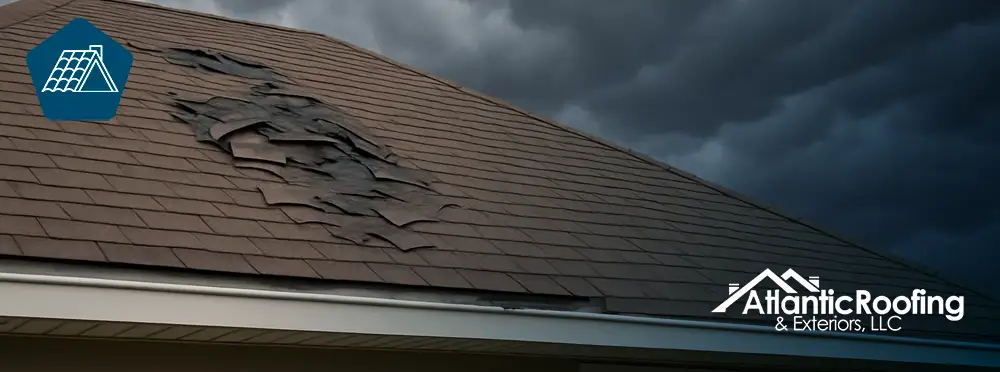
Shingle issues represent the most common early warning signs homeowners encounter. Missing shingles create vulnerable spots where water can penetrate your roof deck, leading to leaks and structural damage. Cracked shingles, on the other hand, indicate material fatigue from thermal cycling (the expansion and contraction caused by Florida's temperature fluctuations). Curling shingles, where edges lift or the center cups, signal that your roofing material has reached or exceeded its effective lifespan.
Bald spots on asphalt shingles, where protective granules have worn away, expose the underlying material to direct UV radiation and accelerate deterioration. These granules serve a critical purpose beyond aesthetics; they reflect sunlight, regulate temperature, and protect the asphalt coating from degradation. Finding significant quantities of granules in your gutters or at downspout exits indicates advanced aging and suggests your roof may need replacement within the next few years.
Organic growth
The presence of algae, moss, or mold growth on your roof surface indicates moisture retention problems that compromise the integrity of your roofing materials. In Florida's humid climate, these organisms thrive on organic debris and moisture trapped between shingles. While primarily an aesthetic concern, biological growth can lift shingle edges, retain moisture, and accelerate decay. Dark streaking caused by algae doesn't necessarily indicate immediate structural damage but suggests conditions conducive to deterioration.
Flashing
Damaged flashing around chimneys, vent pipes, skylights, and roof valleys is one of the most common early signs of roof damage. Flashing creates watertight seals at vulnerable transition points where different roof planes meet or where protrusions penetrate the roof surface. When they're corroded, rusted, or separated, they allow water infiltration directly into your home's interior structures. These compromised seals often cause leaks long before shingle damage becomes apparent, making flashing inspection a priority during routine maintenance.
Detecting Roof Aging Through Interior Warning Signs
Inside your home, several indicators reveal roof problems before exterior damage becomes obvious.
Water damage
Water stains on ceilings or walls, which typically appear as brown or yellowish discoloration, provide unmistakable early signs of roof damage, most often active leaks. These stains indicate water has already traveled through your roof deck, insulation, and structural components before becoming visible on finished surfaces.
Still, you should remember that the location of interior stains doesn't always align with the leak's origin point, as water often travels along rafters or roof decking before dripping onto ceilings.
Deteriorated paint
Peeling paint near the roofline, particularly on exterior soffits or interior walls close to the attic, suggests moisture escaping from your attic space. This moisture typically results from roof leaks, inadequate ventilation, or condensation problems. When warm, humid air from your living space meets cool surfaces in a poorly ventilated attic, condensation forms, eventually causing paint failure, wood rot, and mold growth.
Spikes in your utility bills
Unexpectedly high energy bills are one of the less obvious early signs of roof damage, but one of the most crucial, as these damages compromise your home's thermal envelope. Damaged roofing allows conditioned air to escape while permitting hot air infiltration, forcing your HVAC system to work harder to maintain comfortable temperatures.
Roof damage that affects insulation effectiveness directly impacts energy efficiency, particularly in Florida's climate, where cooling costs represent a significant portion of utility expenses.
Foul odors
A persistent musty odor throughout your home, especially in upper floors or near the attic access, indicates mold or mildew growth resulting from moisture intrusion. These odors often precede visible signs of water damage by weeks or months. Professional inspection becomes essential when musty smells develop, as mold poses health risks and indicates ongoing moisture problems that usually require immediate attention.
Roof Surface Issues Visible from Your Attic
Your attic provides valuable insight into your roof's condition and reveals early signs of roof damage that are invisible from ground level.
Light coming through the deck
Visible daylight streaming through the roof deck indicates holes, gaps, or severe deterioration, all of which require immediate professional attention. Even small openings allow water, insects, and wildlife entry while compromising your home's energy efficiency and structural integrity.
Wet insulation and rafters
Damp spots on insulation or wooden rafters clearly indicate active leaks. Water-stained wood often appears darker than surrounding dry lumber and may feel soft or spongy when pressed. On its part, wet insulation loses its insulating properties and promotes mold growth throughout your attic space. Regular attic inspections, particularly after heavy rainstorms, help detect leaks before they cause extensive damage to ceilings, walls, and stored belongings.
Sunk sections on the deck
Visible sagging sections of roof decking are also common early signs of roof damage, particularly due to structural problems caused by prolonged water exposure, inadequate support, or excessive weight. This condition requires immediate professional evaluation, as sagging decking suggests compromised structural integrity that could lead to catastrophic failure during severe weather events.
Taking Immediate Action When You Detect Problems
Upon discovering any early signs of roof damage, it's advised to document conditions with photographs and contact qualified roofing contractors near you for professional evaluation. Delaying repairs allows minor issues to expand into major structural problems, often increasing repair costs exponentially while compromising your home's weather protection and energy efficiency.
Temporary measures like placing buckets under active leaks or covering damaged sections with tarps provide short-term protection but never substitute for professional repairs. These emergency responses prevent immediate damage escalation while you arrange permanent solutions. However, climbing onto your roof during storms or when wet conditions exist poses serious safety risks; hence, you should leave emergency repairs to qualified professionals with proper equipment and training.
For comprehensive protection, establish relationships with reliable roofing companies before emergencies occur. If you're just seeking professional contractors, it's recommended to:
Research contractors' credentials
Review their customer testimonials
Verify licensing and insurance
Understand their service offerings.
Likewise, many companies with wheelchair-accessible facilities, convenient parking, and flexible scheduling, such as Atlantic Roofing, demonstrate commitment to customer service beyond basic repairs. Many established contractors maintain extensive project galleries showcasing their work quality and range of services for both residential roofing and commercial roofing applications.
Connect with Experienced Roofing Professionals Today
Protecting your home from roof damage begins with awareness and continues through regular inspection and timely repairs. Don't wait until ceiling stains, obvious leaks, or structural sagging force emergency action. Contact Atlantic Roofing's professionals today for a comprehensive evaluation and peace of mind knowing your home receives proper protection from Florida's demanding weather conditions.
With over nineteen years of roofing industry experience serving Gilchrist County, Bradford County, Gainesville, Putnam County, and Alachua County, our licensed, insured, and guaranteed team delivers quality work using certified and local materials. Contact us today to discuss your roofing needs and discover why homeowners throughout North Central Florida trust our expertise for all roofing projects.
Follow us on Facebook and Instagram to see our latest projects and stay informed about roofing maintenance tips specific to Florida's climate.
See more posts